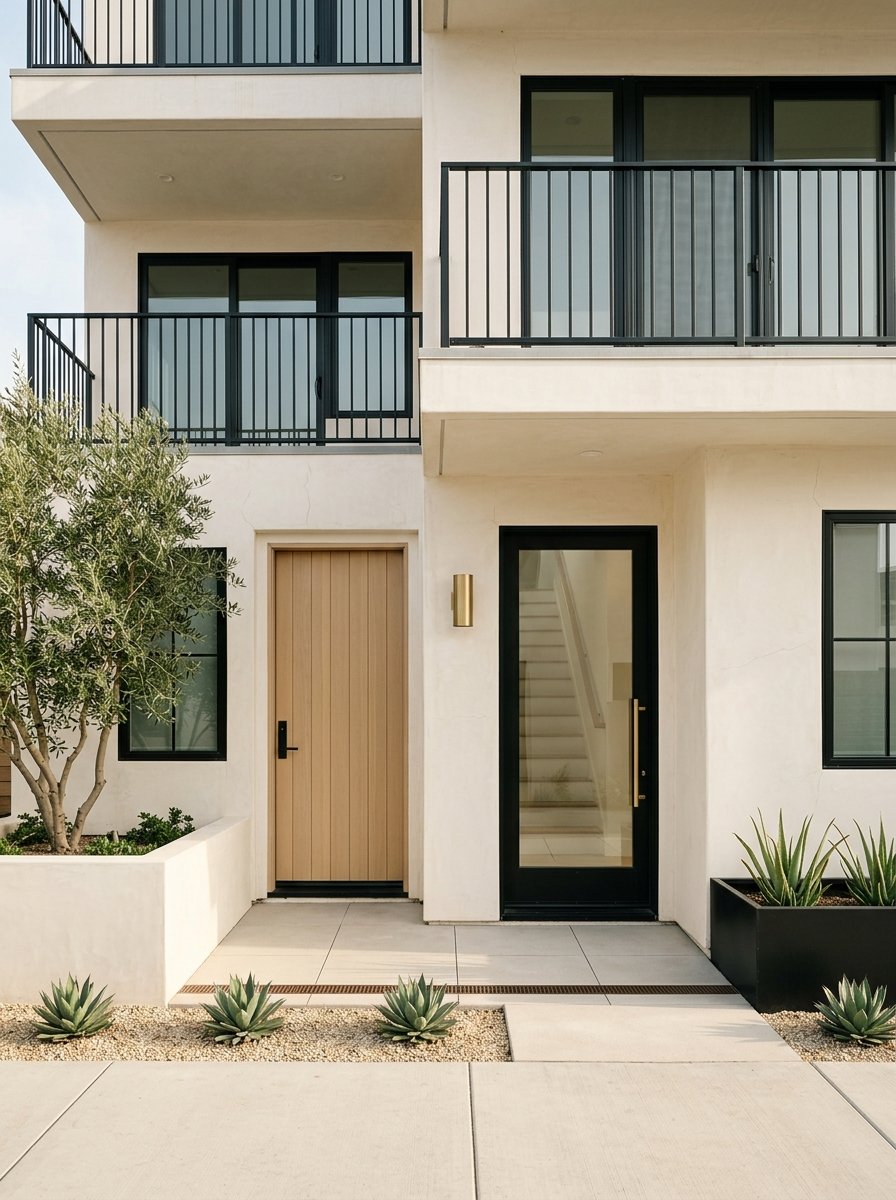
Wondering whether a Hermosa Beach condo or townhome is the better fit for your lifestyle? You are not alone. In a compact beach city where a few blocks can change your daily routine, the right choice often comes down to ownership structure, HOA details, parking, and location more than the label on the listing. This guide will help you sort through those factors so you can make a more confident decision. Let’s dive in.
Start With Legal Structure
If you are comparing a condo and a townhome in Hermosa Beach, the first thing to know is that these terms do not always mean what buyers think they mean. In California, a condominium is a legal form of ownership, while a townhome is usually an architectural style.
That means two homes can look nearly identical from the street and still have very different ownership structures. A side-by-side, multi-story property may be legally organized as a condominium project or as a planned development. You cannot safely judge by appearance alone.
The practical takeaway is simple: focus on what you actually own. Your deed, CC&Rs, and governing documents will spell out what belongs to you, what is shared, and what the HOA controls.
Why the Label Can Mislead
A townhome-style home often feels more like a house because it is typically attached and arranged so there are no units directly above or below. That layout appeals to many buyers who want more separation and a multi-level floor plan.
But that same townhome-style property may still be legally classified as a condo. In other words, the floor plan and exterior design do not tell you the full story.
What You May Own
In a typical condominium structure, you own your separate unit plus an interest in the common area. Some features that feel private, like a patio, balcony, driveway, or parking space, may still be legally treated as exclusive-use common area rather than fully separate property.
That distinction matters because it can affect maintenance duties, repair responsibility, and HOA authority. Before you fall in love with a layout, make sure you understand the ownership setup behind it.
Compare Maintenance Responsibilities
One of the biggest differences between properties is not how they look. It is how maintenance is handled. In Hermosa Beach, many condo and townhome properties are part of common interest developments with mandatory HOA membership.
HOAs typically make and enforce rules, collect dues and assessments, and operate through an elected board. That makes it important to understand not only the monthly fee, but also what that fee actually covers.
What California's Default Rule Says
Under California Civil Code section 4775, the default rule is that the association maintains the common area, while the owner maintains the separate interest. For exclusive-use common area, the owner generally maintains it, while the association generally handles repair and replacement, unless the declaration says otherwise.
That last part is key. The governing documents can shift responsibilities, so you should always review the CC&Rs instead of relying on assumptions.
Why HOA Fees Are Only Part of the Story
A lower monthly HOA fee may sound attractive at first. But if the association is underfunded or major repairs are coming, that lower fee may not tell the whole story.
California's public-report guidance highlights the importance of reviewing costs, assessments, and reserve information. Reserves are funds set aside for major long-term items like roofs, exterior paint, and pavement.
A smart comparison includes questions like:
- What do the monthly dues cover?
- Are reserves healthy?
- Has the HOA discussed special assessments?
- Who handles repairs for balconies, patios, parking areas, or exterior surfaces?
Think About Hermosa Beach Block by Block
Hermosa Beach is small, but that is exactly why location matters so much. The city covers 1.43 square miles and includes about 1.8 miles of beach frontage, a 1,228-foot pier, downtown along Pier Avenue, and 19 parks including the 19.5-acre Greenbelt.
In a city this compact, a difference of a few blocks can shape how you live every day. The walk to the sand, access to restaurants and retail, proximity to parks, and ease of parking can all shift quickly from one area to another.
Near the Sand vs Farther Inland
Living closer to The Strand or the beach can offer convenience and a classic coastal feel. You may be able to walk to the sand, downtown, and the pier with ease.
At the same time, the closest-in locations can bring more activity. The city notes that an average summer weekend can bring more than 100,000 people to the beach, which can mean heavier traffic and more parking pressure near the busiest coastal areas.
For some buyers, that trade-off is worth it. For others, a condo or townhome a little farther from the sand may provide a better balance of access, privacy, and daily ease.
Parking Matters More Than You Think
In Hermosa Beach, parking is not a small detail. It is a lifestyle factor. A property with garage parking, assigned spaces, or a better street setup can feel very different from one that depends heavily on public parking or limited street availability.
The city also manages public lots, meters, street sweeping schedules, and downtown rideshare zones. That makes it worth asking exactly how parking works before you narrow your search.
Helpful parking questions include:
- Is parking deeded or assigned?
- Is there a private garage?
- Are guest spaces available?
- Will you rely on street parking?
- How does the location feel during busy beach weekends?
Consider Your Day-to-Day Lifestyle
The right choice often depends on how you want your week to feel. A Hermosa Beach home is not just an investment or a floor plan. It is part of your daily routine.
If you value lower-maintenance living, a condo-style setup may appeal to you. If you prefer a more house-like layout with attached side-by-side living, a townhome-style home may feel more natural.
Car-Light Living Is Possible
Hermosa Beach offers more transportation options than many buyers expect. The city highlights Strand bike and walk access, Beach Cities Transit Line 109, Torrance Transit Line 13, LADOT Commuter Express Line 438, downtown rideshare zones, and more than 35 city-owned EV charging stations.
That means you may not need to be directly on the sand to enjoy a convenient beach lifestyle. Some buyers find that living a bit farther from the busiest areas gives them easier commuting, quieter streets, or better parking without giving up much access.
Budget Context Still Matters
The city reports 10,026 housing units and a median home value of $1.65 million. It also reports a roughly even split between renter-occupied and owner-occupied housing.
That helps frame the local market context. In Hermosa Beach, buyers often need to weigh price, monthly carrying costs, maintenance exposure, and location together rather than focusing on one feature alone.
Questions to Ask Before You Decide
As you compare options, keep your focus on facts rather than listing language. A polished listing can highlight design and lifestyle, but your long-term experience will depend on the details behind the property.
These questions can help you evaluate each home more clearly:
Ownership and HOA Questions
- Is the project legally a condominium, planned development, or something else?
- What does the HOA maintain, and what is your responsibility?
- What do the monthly dues cover?
- Are reserve funds strong enough for future major repairs?
- Has the HOA discussed or approved special assessments?
Use and Rules Questions
- Are there HOA rules about rentals?
- Are there restrictions on pets?
- What exterior changes require approval?
- Are there rules that could affect how you plan to use the home?
Location Questions
- How close is the property to The Strand, Pier Avenue, downtown, or the Greenbelt?
- What is the street activity level on weekdays and summer weekends?
- How easy is beach access from this exact block?
- What is the parking situation for residents and guests?
Which One Is Better?
There is no universal winner between a Hermosa Beach condo and a townhome. The better option is usually the one that best matches your priorities.
If you want to simplify your decision, focus on four things first: the legal structure, the HOA's financial health, the parking setup, and the exact block location. Those factors will usually tell you more than the property label ever will.
When you look at homes through that lens, it becomes much easier to tell which properties fit your routine, budget, and goals. And in a city as nuanced as Hermosa Beach, that local clarity can make all the difference.
If you are weighing condos and townhomes in Hermosa Beach, Schneider Properties can help you compare the details that matter most and find the right fit for your lifestyle.
FAQs
What is the difference between a Hermosa Beach condo and a townhome?
- In California, a condo is a legal ownership structure, while a townhome is usually an architectural style. A townhome-style property in Hermosa Beach may still be legally organized as a condominium.
Why do HOA documents matter when buying in Hermosa Beach?
- HOA documents explain what you own, what the HOA controls, how maintenance is divided, what the fees cover, and whether there are rules or assessments that could affect your costs and use of the property.
How important is parking for a Hermosa Beach condo or townhome?
- Parking is a major lifestyle factor in Hermosa Beach because beach activity, public parking demand, and busy weekends can change how convenient a location feels day to day.
What should you review before buying new construction or a conversion in Hermosa Beach?
- You should review the DRE public report carefully because it summarizes governing documents, assessments, and other material disclosures before you become obligated to buy.
Is living farther from the sand a bad trade in Hermosa Beach?
- Not necessarily. Some buyers prefer being a little farther inland if it means easier parking, quieter streets, or a more convenient commute while still keeping good access to the beach and downtown.
What is the best way to choose between a condo and townhome in Hermosa Beach?
- The best approach is to compare the legal structure, maintenance responsibilities, HOA finances, parking setup, and exact location instead of relying only on how the home looks or how it is labeled.