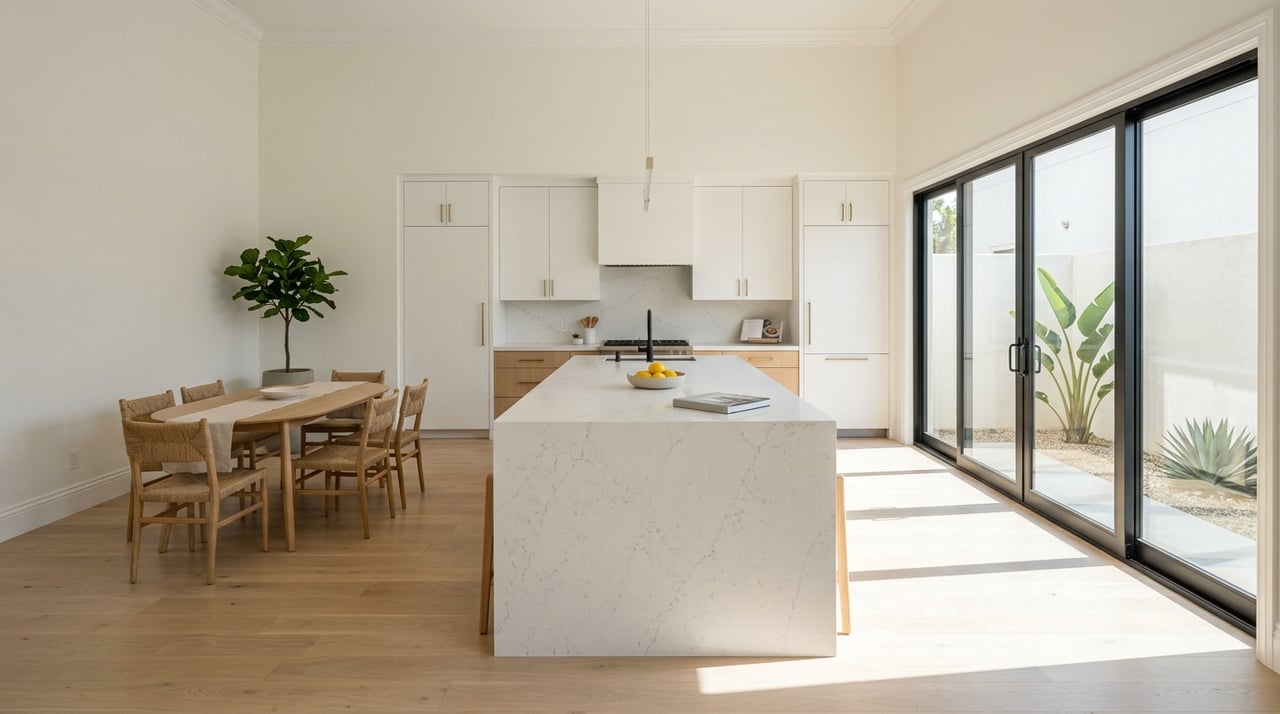
If you are planning to sell in Manhattan Beach, a strong market alone is not enough to guarantee a strong result. Buyers still compare every listing online, notice condition quickly, and respond to homes that feel well prepared from day one. When you know what matters most before you list, you can make smarter decisions about timing, pricing, presentation, and paperwork. Let’s dive in.
Why preparation matters in Manhattan Beach
Manhattan Beach is still a premium, fast-moving market, but that does not mean every home sells the same way. Recent market data shows high pricing and relatively short selling timelines, yet it also points to real competition among listings for buyer attention.
Redfin reported a median sale price of $3.75 million and 28 median days on market for the three months ending in May 2026. Zillow reported an average home value of $3.29 million, 16 days to pending, and 68 homes for sale as of May 31, 2026. Realtor.com showed a median listing price of $4.27 million, 104 active listings, 40 median days on market, and classified Manhattan Beach as a seller’s market.
The exact numbers vary by source because each platform uses different methods and timeframes. Still, the message is consistent: you are selling in a high-value market where polished listings stand out, and where buyers have options.
Start early for a better launch
Most sellers begin thinking seriously about selling three to four months before they list. That timeline makes sense in Manhattan Beach, especially if your goal is to launch during spring, when multiple research sources point to the strongest selling window.
Zillow’s timing research places the Los Angeles metro sweet spot in the last two weeks of April. Other national timing studies also point to spring, including late May and even mid-April. For you, the practical takeaway is simple: if you want to list in spring, start preparing in winter.
Early preparation gives you room to make decisions without rushing. You can sort out repairs, discuss pricing, plan staging, schedule photography, and organize disclosures before your home hits the market.
Price with discipline, not hope
A beautiful listing can lose momentum fast if the price misses the market. In a premium coastal area, overpricing often leads to extra days on market, reduced urgency, and more room for negotiation.
Realtor.com’s 2026 seller survey found that 83% of potential sellers expect to receive asking price or more. At the same time, 39% also expect to make concessions. That mix is a good reminder that confidence is helpful, but pricing strategy still needs to be grounded in current market conditions.
The right price should support your launch, not work against it. When a home is presented well and priced thoughtfully from the start, you put yourself in a better position to attract serious interest early.
Win online before buyers walk in
Your listing needs to perform online first. According to the 2025 home buyer and seller profile, every buyer used the internet during the home search process.
That same research found that buyers value photos most on listing websites, followed closely by detailed property information and floor plans. Zillow’s 2025 buyer research also ranked floor plans first, then high-resolution photos, then 3D or virtual tours, with video much lower on the list.
For sellers, that points to a clear priority order:
- Professional photography
- Clear, accurate property details
- Floor plans
- 3D or virtual tour support
- Video as a secondary enhancement
In a market like Manhattan Beach, buyers often make quick decisions about whether a property is worth seeing in person. If the visuals and layout story are not clear online, you may lose attention before a showing is ever scheduled.
Focus on the spaces buyers notice most
Staging still matters, even at higher price points. NAR reports that 83% of buyers’ agents said staging helps buyers visualize a home as their future residence. More than a quarter also said staged homes increased offered value by 1% to 10%.
That does not mean every home needs a full redesign. It does mean your home should feel clean, intentional, and easy to understand the moment buyers see the photos or step inside.
The rooms most often singled out for staging are:
- Living room
- Primary bedroom
- Kitchen
- Dining room
- Outdoor spaces
In Manhattan Beach, outdoor areas can carry real weight in the value story. Patios, decks, courtyards, and other exterior living spaces should feel usable, well kept, and visually connected to the rest of the home.
Make smart updates before listing
Before you spend heavily on remodeling, step back and ask what buyers will actually notice. NAR’s 2025 Remodeling Impact Report suggests that targeted, lower-disruption improvements often make more sense for sellers than major renovations.
The top pre-listing projects agents recommend are painting the entire home, painting a single interior room, and replacing roofing when needed. The report also found strong cost recovery for a new steel front door, which reinforces how much first impressions still matter.
For most sellers preparing to list within a few months, the strongest approach is usually to:
- Fix visible wear and tear
- Refresh paint where needed
- Address deferred maintenance
- Improve curb appeal
- Neutralize highly personal finishes
- Repair anything that distracts from the home’s strengths
Large-scale projects can make sense in some cases, but they are not automatically the best move. In many Manhattan Beach homes, thoughtful edits and strong presentation create more value than a rushed remodel.
Highlight real features, not implied ones
Buyers are paying attention to practical property features too. Zillow’s 2025 trend research found that 86% of recent buyers considered at least one climate-resilient feature very important, and mentions of flood barriers and seismic retrofitting have been rising in listings.
If your home has features like seismic improvements or other meaningful resilience upgrades, those details may belong in your marketing. If those features are not present, they should not be suggested or overstated.
The same principle applies to digital presentation. If virtual staging or edited listing images are used, any material changes should be disclosed so buyers are not misled.
Get ahead of California disclosures
Pre-sale preparation in California is not just about paint, lighting, and furniture placement. It also includes disclosures and issue spotting.
For most one- to four-unit residential sales, California sellers generally need to provide a Transfer Disclosure Statement and a Natural Hazard Disclosure. The California Department of Real Estate notes that the Transfer Disclosure Statement is not a warranty and does not replace inspections.
Depending on the property, sellers may also need to address earthquake-fault and seismic-hazard disclosures. If the home was built before 1978, federal lead-based paint disclosure requirements also apply.
This is one reason a smooth sale often starts well before the listing date. When you prepare the paperwork side early, you reduce surprises and create a more organized path to market.
Build a coordinated pre-sale plan
Selling well is rarely a one-day event. It is a sequence of decisions that work best when they are coordinated.
Sellers consistently rank marketing the home, pricing competitively, and selling within a specific timeframe among their top priorities. That lines up with a process that brings together pricing, repairs, staging, photography, and disclosure planning instead of treating each step in isolation.
A practical pre-sale roadmap often looks like this:
Three to four months out
- Discuss timing goals
- Review pricing strategy
- Identify repairs and updates
- Plan any disclosure-related issue spotting
One to two months out
- Complete cosmetic improvements
- Declutter and simplify rooms
- Schedule staging or styling support
- Prepare outdoor spaces
Two to three weeks out
- Finalize disclosures
- Complete photography and floor plans
- Refine property marketing materials
- Prepare the home for showings
Listing week
- Launch with polished visuals
- Enter the market at a strategic price
- Keep condition show-ready
- Monitor early buyer feedback closely
When prep costs are a hurdle
Some sellers know their home needs work, but do not want to pay for everything upfront. For eligible sellers, Compass Concierge can be a useful tool to help manage that gap.
According to Compass, eligible services may include staging, decluttering, cosmetic renovations, landscaping, interior and exterior painting, flooring, and kitchen or bathroom improvements, with repayment due when the home sells or the listing ends, subject to program terms.
That kind of support can be especially helpful if you are selling a second home, handling a trust or inherited property, or trying to coordinate updates from outside the area.
Why local guidance makes a difference
In Manhattan Beach, details matter. The right prep plan for an East Manhattan home may look different from the right plan for a walk street property, a townhome, or a newer coastal build.
That is where local experience helps. You want a plan that reflects how buyers in this market respond to condition, layout, outdoor space, pricing, and launch timing, not a one-size-fits-all checklist.
A thoughtful sale is part strategy, part presentation, and part execution. When those pieces come together, your home has a better chance to make an immediate impact and hold its leverage through negotiations.
If you are thinking about selling in Manhattan Beach and want a tailored plan for pricing, preparation, and presentation, Schneider Properties can help you map out the right next steps.
FAQs
When should you start preparing to sell a Manhattan Beach home?
- A good rule of thumb is to start planning three to four months before your target listing date, especially if you hope to launch during the spring selling season.
What updates matter most before listing a Manhattan Beach property?
- Targeted improvements usually make the most sense, such as paint, repair of visible wear, curb appeal, roofing issues when relevant, and other fixes that reduce distractions for buyers.
What listing photos and media matter most to Manhattan Beach buyers?
- High-resolution photography, detailed property information, and floor plans are especially important, with 3D tours as a helpful add-on and video usually playing more of a supporting role.
Do California sellers need disclosures before selling a Manhattan Beach home?
- In many cases, yes. Sellers of most one- to four-unit residential properties generally need a Transfer Disclosure Statement and Natural Hazard Disclosure, and some homes may also require seismic or lead-based paint disclosures.
Is staging worth it for a Manhattan Beach home sale?
- Staging can help buyers picture the home more clearly, and research shows it may support stronger offers, especially in key areas like the living room, kitchen, primary bedroom, dining room, and outdoor spaces.
Can you get help paying for pre-sale improvements in Manhattan Beach?
- Eligible sellers may be able to use Compass Concierge for services like staging, decluttering, painting, landscaping, flooring, and certain cosmetic improvements, with repayment due when the home sells or the listing ends, subject to program terms.